

By Kamilu Lawal, Katsina
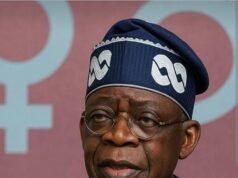
A Pro government group, Tinubu/Dikko Assured (TDA) in Katsina State has commended President Bola Ahmed Tinubu for sustaining key infrastructure and economic reforms, particularly the continuation of the Kano–Katsina —Maradi railway project and the approval of a ₦3.3 trillion power sector debt settlement plan.
The State Coordinator of the group, Ibrahim Khalil Aminu, gave the commendation in an interview with journalists in Katsina, describing the initiatives as clear demonstrations of leadership continuity, policy consistency, and commitment to national development.
On the railway project, Aminu lauded President Tinubu for advancing the Kano–Katsina —Maradi rail line, originally initiated under former President Muhammadu Buhari, noting that the decision reflects a strong commitment to completing inherited projects with direct economic impact.
He said the rail line, including its Dutse branch, remains a strategic infrastructure capable of transforming transportation, boosting trade, and enhancing regional integration between Nigeria and the Niger Republic.
According to him, the project would ease the movement of goods and passengers, reduce transportation costs, and stimulate economic activities across Northwest Nigeria, while also creating employment opportunities for thousands of youths.
Speaking on the power sector, Aminu commended the President’s approval of the ₦3.3 trillion payment plan to settle longstanding debts under the Presidential Power Sector Financial Reforms Programme, describing it as a decisive intervention to address systemic challenges in the electricity value chain.
He noted that the settlement of legacy debts accumulated between 2015 and 2025 would restore confidence among key stakeholders, including power generation companies and gas suppliers, thereby enhancing stability in electricity generation.
Aminu further explained that ongoing implementation—evidenced by the signing of settlement agreements with power plants and the release of substantial funds—demonstrates the Federal Government’s commitment to transparency and sustainability.
He added that improved liquidity in the sector would boost generation capacity, reduce disruptions, and ultimately lead to more reliable electricity supply for households and businesses.
The coordinator stressed that stable electricity is critical to economic growth, noting that the reform would support industrial productivity, attract investment, and create jobs, particularly for small and medium-scale enterprises.
He also highlighted that the initiative aligns with broader reforms by the administration aimed at improving metering and introducing service-based tariffs that reflect the quality of electricity supplied.
Aminu reaffirmed the group’s support for the administration’s development agenda, expressing optimism that the combined impact of improved power supply and enhanced rail connectivity would accelerate economic growth and improve the livelihoods of Nigerians.
He added that the next phase of the power sector reform is expected to consolidate the gains already recorded and further strengthen service delivery across the country.