
By Ahmed Ilallah
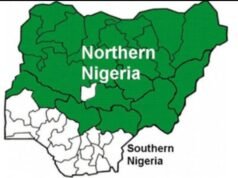
The integration of the Almajiri system of education remains one of the most daunting challenges facing Jigawa State, the Federal Government, and many northern states where thousands of almajiris and out-of-school children roam the streets. For decades, attempts to transform the Tsangaya Qur’anic schools into a system that combines Islamic learning with formal education have faltered. Yet, Governor Umar Namadi Danmodi’s administration appears determined to change that narrative.
The Almajiri system, deeply rooted in Islamic tradition, has long struggled with poor funding, inadequate infrastructure, and limited teacher training. Children in the system often face hunger, homelessness, and exploitation, leaving them vulnerable and excluded from mainstream education. Previous administrations, both at state and federal levels, attempted reforms but were hindered by weak policies, resistance from traditional teachers, and poor implementation strategies.
Even the Federal Government’s initiative under former President Goodluck Jonathan to build modern Qur’anic schools in Yobe State yielded little success. Of the six schools constructed in Damaturu, Geidam, Gashua, Nguru, Damagun, and Buni Yadi, only two remain functional. The rest have either fallen into disrepair or been repurposed for military operations against insurgency.
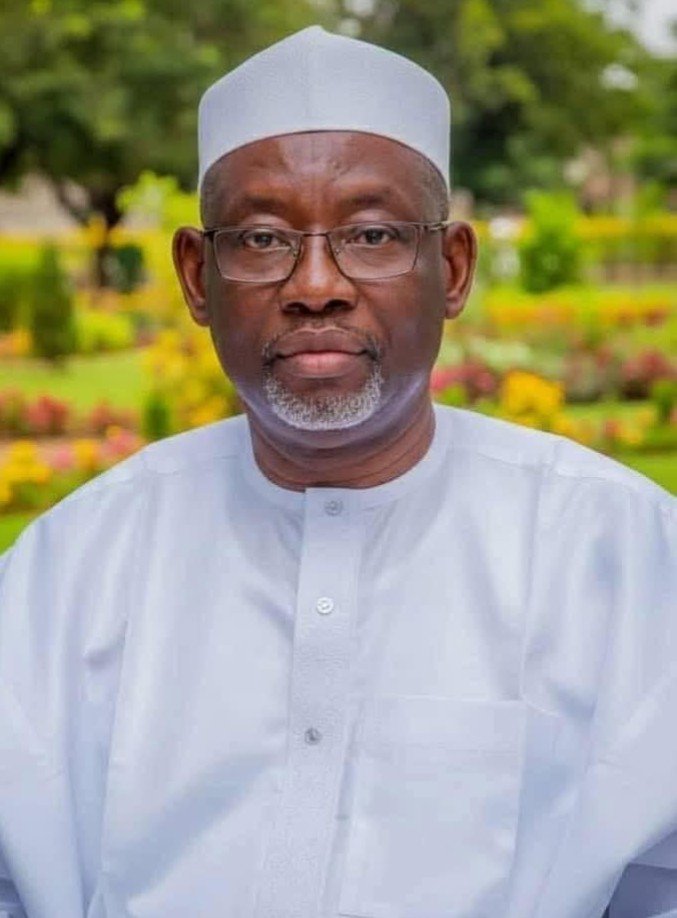
Since assuming office in 2023, Governor Danmodi has made Tsangaya reform a central pillar of his administration.
His government established the Jigawa State Tsangaya Education Board, tasked with overseeing the transformation of the system. Mega Tsangaya schools have been constructed across the state, existing model schools renovated, and modern subjects integrated alongside Qur’anic studies.
Large-scale provision of learning materials has begun, with expansion plans already in motion. Perhaps most notably, the administration introduced the Almajiri Begging-Free Zone initiative, enrolling 2,000 almajiri children into government-owned Tsangaya schools across major towns and local government areas.
Governor Danmodi’s vision extends beyond integration. His administration aims to modernize the Tsangaya system by blending Islamic studies with formal education and vocational training.
The goal is to equip children with practical skills for self-reliance, reduce their vulnerability to extremism, and create a balanced curriculum that nurtures both faith and knowledge. The government’s commitment is underscored by its allocation of over ₦3 billion in the 2026 annual budget for the Tsangaya Education Board, a significant investment in the future of Jigawa’s children.
While challenges remain, Danmodi’s resilience and commitment are beginning to yield results. For the first time in years, Jigawa’s almajiri children are being offered a path away from street begging and towards education, empowerment, and dignity. If sustained, these reforms could serve as a model for other northern states grappling with the same issue.
alhajilallah@gmail.com