From Mika’il Tsoho, Dutse
The Kano State Universal Basic Education Board (SUBEB), has promised to improve Water Sanitation and Hygiene(WASH) across 5,584 Schools in the state.
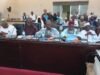
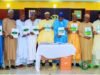
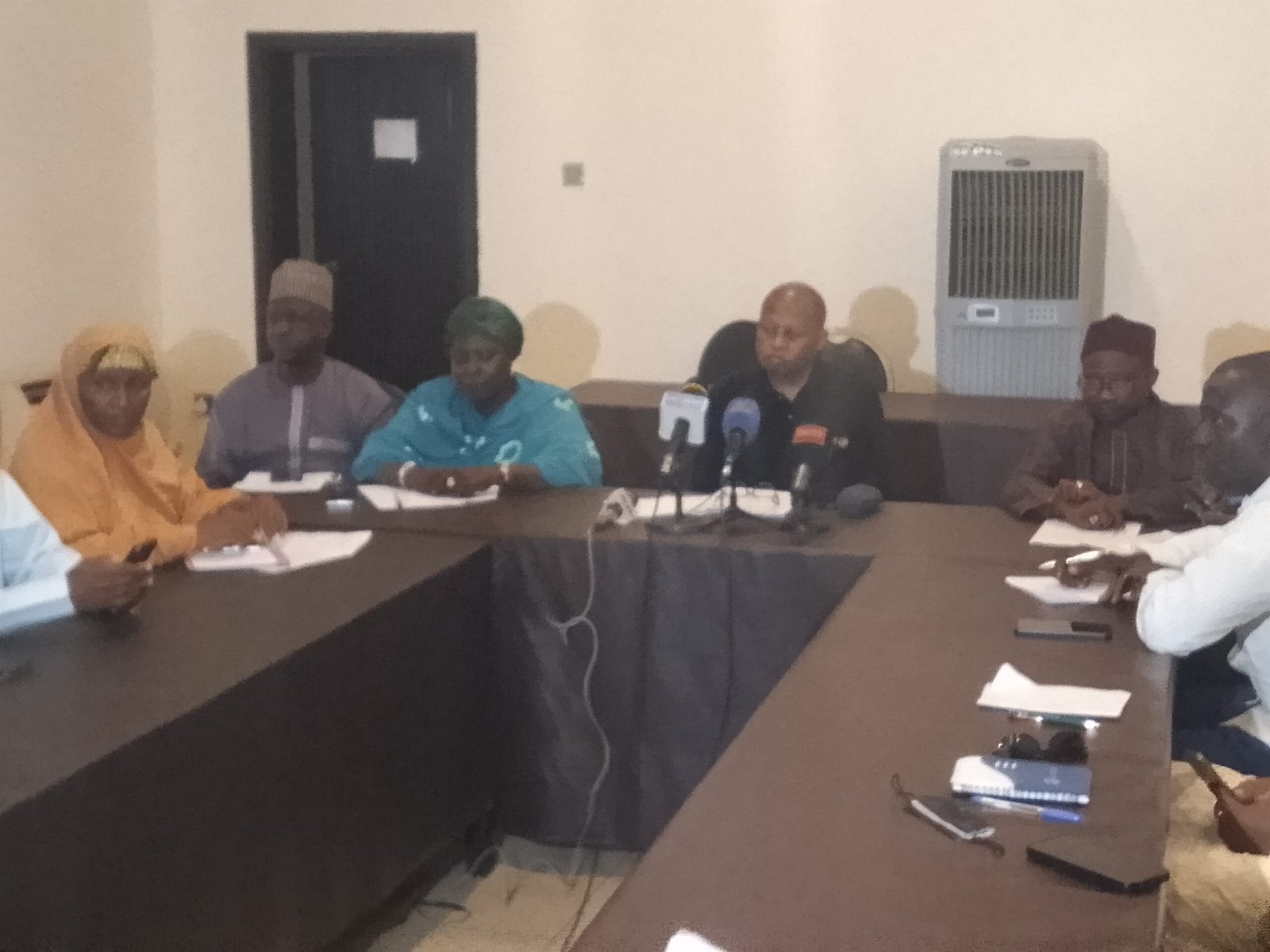
This was announced by the Executive Chairman of the board while responding to journalists during a Media dialogue on WASH services and facilities in schools and health care facilities in Kano and Jigawa, organized by Child Rights Information Bureau (CRIB) of federal Ministry of Information and National Orientation in collaboration with UNICEF, held at Tahir Guest Palace Kano.
The SUBEB chairman who was represented by the secretary of the board, Hajiya Amina Umar lamented the gaps identified during the media tour to the schools and health care centers in the state, and promised to look into the gaps and address it for better development.
“We have learn a lot from the dialogue, and we realized the gaps and by the grace of God we will do all our best to improve,” secretary said.
Hajiya Amina Umar also promised that the Board will look at creation of WASH policy in the board as well as budget line for WASH services and facilities improvement.
While delivering his speech, Mr. Rahama Rihood Mohammed Farah, Chief UNICEF Field Office Kano said, Nigeria 2021 WASHNORM II survey, the most comprehensive recent national assessment, reveals stark challenges in WASH services across institutions like health facilities and schools.
Nationwide, only 11% of schools have access to basic water supply, basic sanitation and hygiene services—figures that are even more dire in rural Northwest Nigeria.
According to the survey, Only 6% of health facilities have access to basic water supply, basic sanitation, and hygiene services.
While speaking on WASH Situation in Kano and Jigawa states, he said, the situation mirrors national laws but demands urgent local action. While Jigawa (and recently Katsina state) has made strides toward open defecation-free status, Handwashing functionality remains low, with states like Jigawa scoring below national averages in school hygiene infrastructure, leaving millions of children exposed to preventable illnesses like diarrhea and cholera.
“Why WASH Matters for Children
Schools and Health Care Facilities play host to substantial numbers of people of a variety of ages, health status and physical abilities. Adding that, these settings therefore can be centers for rapid diseases spread if not adequately provided with WASH facilities.
He maintained that, Clean water, toilets, and handwashing stations in schools and health centers are lifelines for children’s health, for their learning, and dignity.Without them, school absenteeism rises—especially for girls —and infections spread rapidly, undermining SDG targets for education (4.a) and universal WASH (6.1-6.2).
In Northwest Nigeria, poor WASH contributes to high child morbidity, robbing kids of safe spaces to thrive.
What UNICEF and partners are doing to change the situation With the funding support of donors, UNICEF is supporting the government to improve WASH services in schools and health facilities.
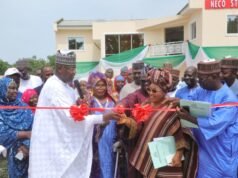
Through investment of £19 million by the UK Government in the Climate Resilient for Basic Infrastructure (CRIBS) Programme, UNICEF, the Federal Government, the UK Government and partners inaugurated 84 climate-resilient health and education facilities in Kano and Jigawa last year.