
By Our Correspondent
The Federal Ministry of Information and National Orientation, in partnership with the United Nations Children’s Fund (UNICEF), has urged journalists across Nigeria to uphold the highest ethical standards when reporting stories involving children.
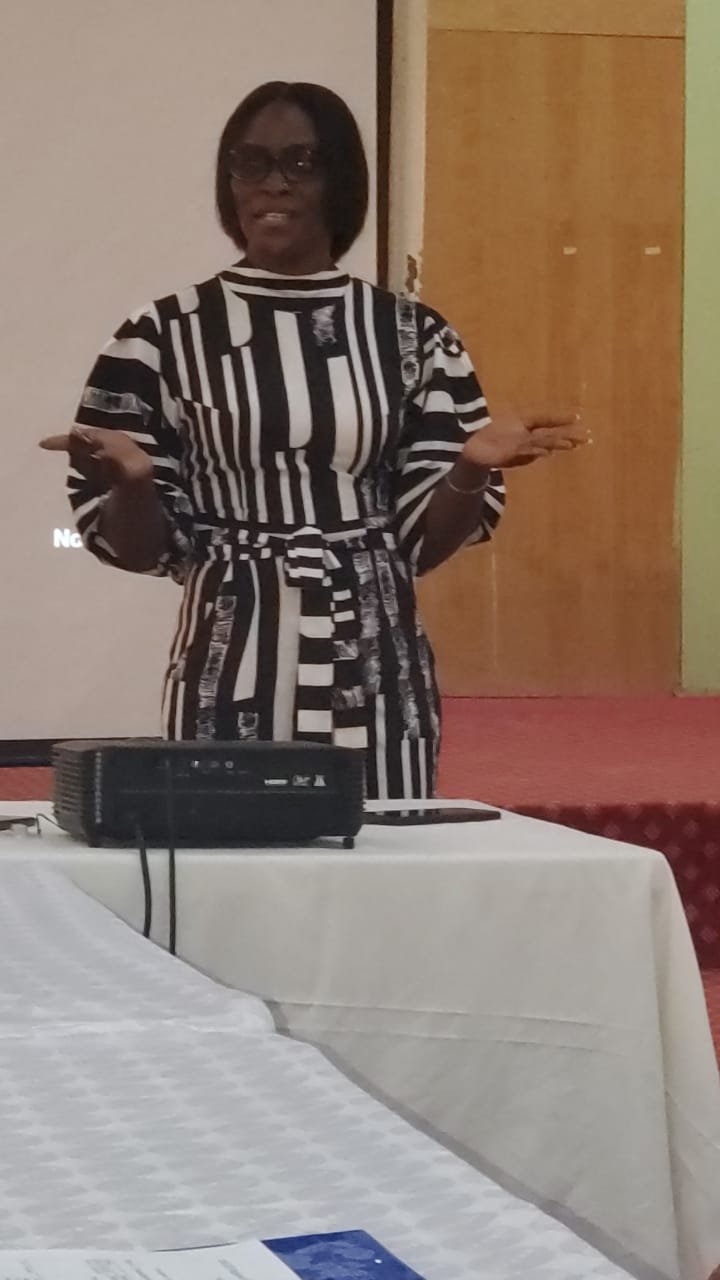
The call was made during a two-day regional workshop for journalists on ethical reporting of children in the North-East and North-Central zones, held in Gombe.
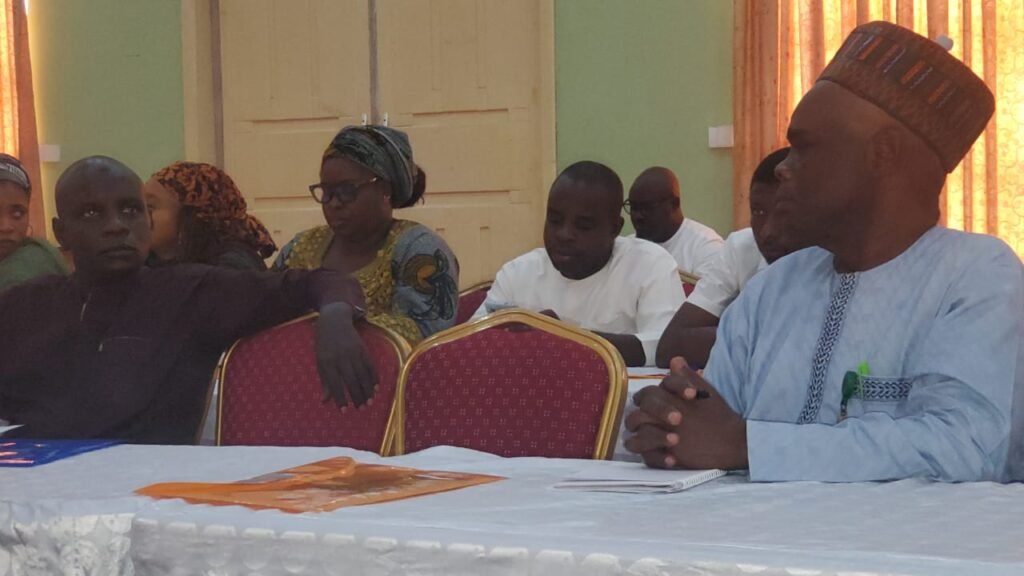
In a welcome address, the Permanent Secretary of the Federal Ministry of Information and National Orientation, Ogbodo Chinasa Nnam, said protecting the dignity and well-being of children is essential for building a healthy society.
Represented by the Assistant Director of the Child Rights Information Bureau, Toye Falayi, Nnam said ethical reporting involves protecting children’s identities, avoiding sensationalism, and ensuring their stories are told with dignity and care.
He noted that the media has enormous power to inform and inspire, but must exercise responsibility, especially when reporting issues involving children.
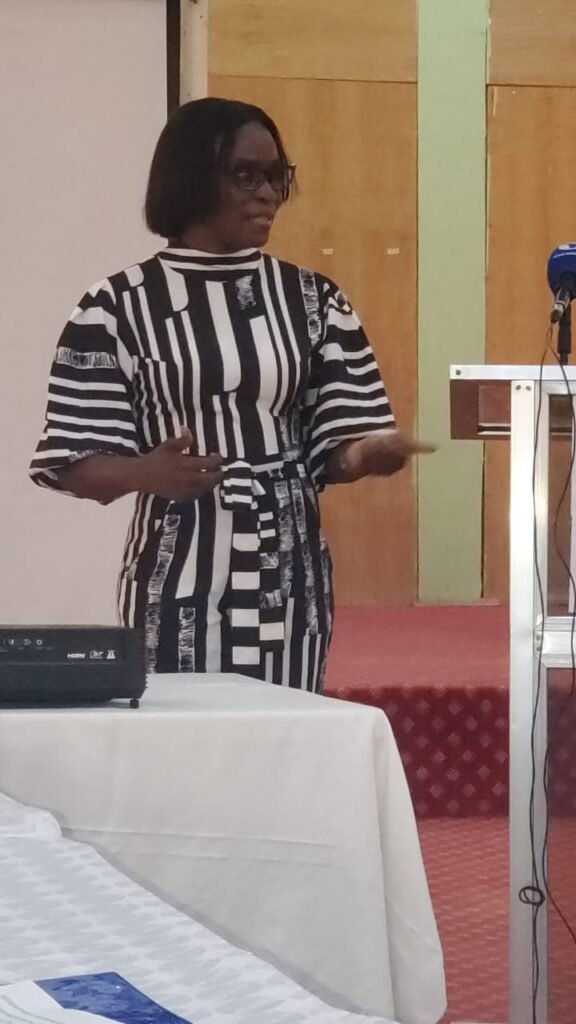
Nnam explained that every image, word, or frame published by journalists could have lasting consequences on a child’s life, safety, and future.
Also speaking, a communication specialist with UNICEF in Lagos, Sussan Akila, who represented the UNICEF Country Representative, Celine Lafoucriere, said ethical reporting on children helps communities heal and promotes the protection of children’s rights.
Akila urged journalists to prioritise empathy and avoid publishing identifiable images or details of child victims, warning that such actions could lead to stigma and long-term trauma.
She emphasised that the media plays a key role in shaping public discourse and influencing how society responds to issues affecting children.
In a presentation, communication expert Geoffrey Njoku said many of Nigeria’s current challenges stem from the failure to properly educate the country’s large population of children.
He expressed concern over the growing number of out-of-school children in the country, which he said currently stands at about 18.2 million.
Njoku stressed the need for strict and fair implementation of laws protecting children’s rights, noting that selective enforcement of laws weakens governance.
Other presentations at the workshop focused on the role of the media in protecting children’s rights and the responsibilities of print, electronic, and digital media in ethical reporting.