
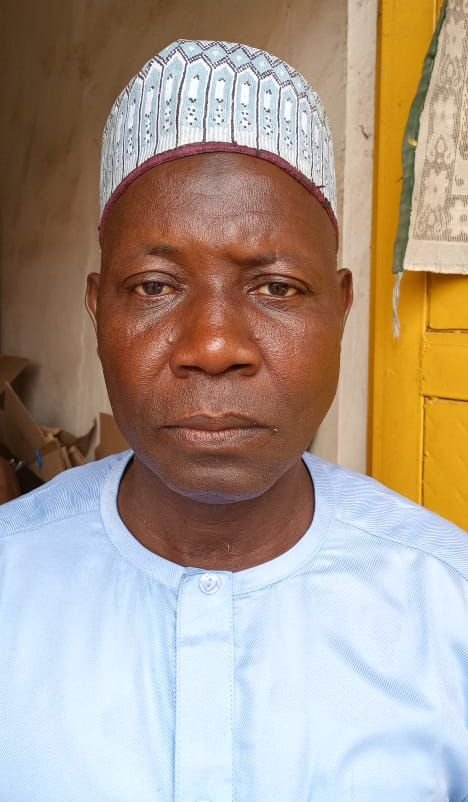
By Abubakar Rabilu, Gombe
Hon. Hamma Adama Dattuwa Ali Kumo continues to maintain and expand his political relevance across Gombe State, with residents and observers linking his growing influence to sustained grassroots engagement, youth empowerment initiatives, and humanitarian support programmes.
In Jekadafari, a resident, Auwalu Ladan, described Hamma Adama Dattuwa Ali Kumo as a politician whose approach to leadership goes beyond formal party structures, noting that his consistent interaction with communities has earned him widespread respect among ordinary citizens.
According to him, the All Progressives Congress (APC) chieftain remains closely connected to grassroots realities, particularly in Akko Local Government Area, where many residents regard him as a leader who maintains strong ties with his constituency despite holding national-level responsibilities.
Dattuwa Ali Kumo, popularly known by his traditional titles “Katukan Doma” and “Sarkin Tafarkin Akko,” currently serves as the National Assistant Financial Secretary of the All Progressives Congress and Chairman of the Governing Board of the Industrial Training Fund.
Despite these positions, supporters say he has remained accessible to his constituents, frequently engaging with community members and intervening in local issues when necessary.
Ladan further explained that accessibility is one of the key factors driving his acceptance, adding that his willingness to listen and offer support where possible distinguishes him from politicians who often become less visible after assuming office.
Political observers also point to his consistent focus on youth development as a major factor behind his rising profile in the state.
Over the years, he has reportedly supported programmes aimed at equipping young people with vocational and entrepreneurial skills, with the goal of reducing unemployment and promoting self-reliance.
In Akko, community members say such interventions have contributed to improved livelihoods and created new opportunities for young people seeking alternatives to white-collar employment.
He is also widely recognized for his humanitarian outreach, especially during religious celebrations and periods of economic hardship, when he provides assistance to vulnerable households across different communities.
Residents note that these social welfare efforts have strengthened his public image and deepened his support base at the grassroots level.
For many in Gombe State, his combination of political responsibility, accessibility, and social intervention continues to define his public identity and sustain his influence within and beyond party structures.
As political activities gradually gather momentum in the state, observers believe his continued presence at the grassroots level may remain a significant factor in shaping his relevance in Gombe’s evolving political landscape.