From Mika’il Tsoho, Dutse
Cost barriers, low public enlightenment, and a shortage of eye specialists at public facilities have been described as the major problems hindering the campaign for access to basic eye healthcare treatment in Jigawa State.
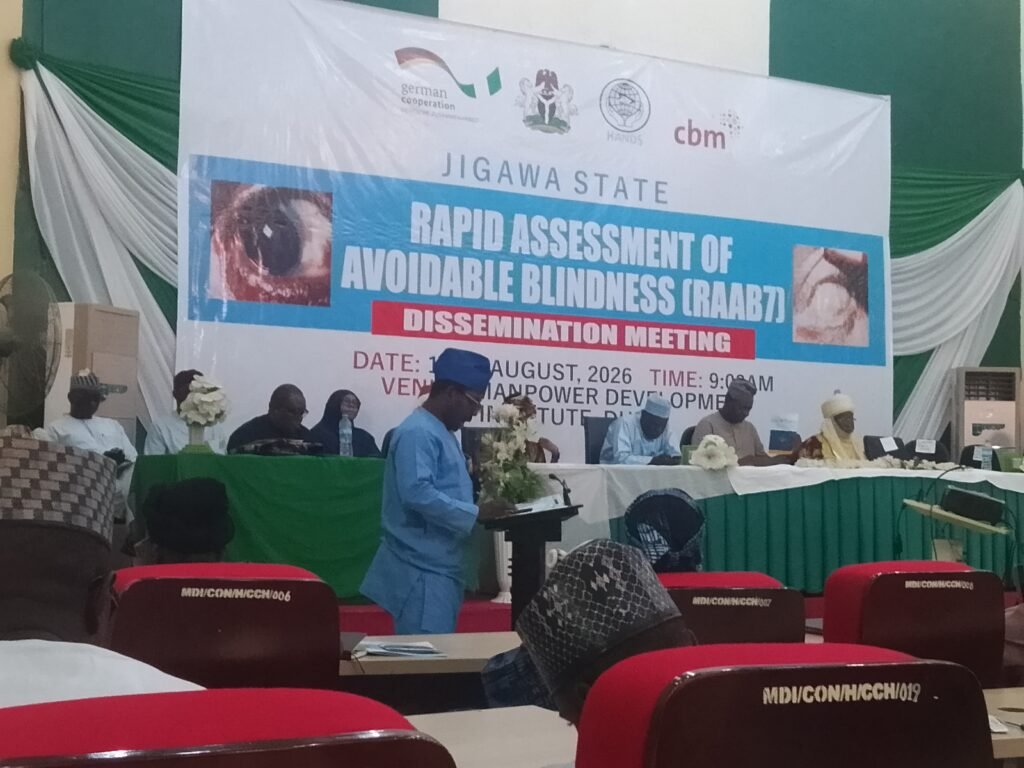
This was contained in a Survey findings presented during the dissemination meeting of the Rapid Assessment of Avoidable Blindness (RAAB7) report in Jigawa State, a funded project by the German Cooperation Eye Intervention Project and implemented by HANDS/CBM.
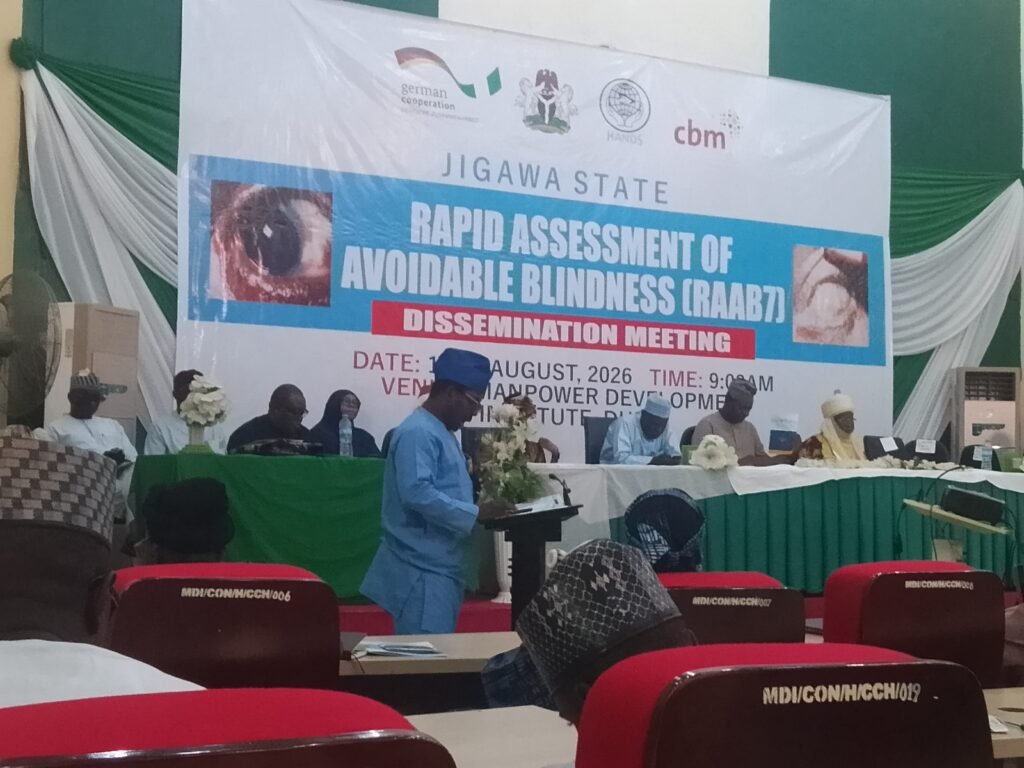
The report suggested that subsidizing eye surgery or making it free of charge, alongside collaborative efforts between the government, specialists, donor partners, civil societies, community leaders, and the general public, would help address the challenges and reduce the prevalence of blindness to the nearest minimal level in the state.
According to the survey, the prevalence of Blindness was 2.9%, quite high compared to some states in Nigeria, translating to 19,638 persons blind (and 37,055 cum severe or worse) 95% of ALL causes were avoidable!! While Cataract is the leading cause of blindness (40.8%) and SVI ( 56.8%), only 8.0% of eyes in the sampled pop were operated on for cataract, giving an unmet need of 11,620.
The report added that, even though the CSC at <6/12 was 34.9%, the eCSC was just 11.0%, giving a huge quality gap that must be addressed adding that, about 80% of the causes of poor/borderline outcomes post cataract surgery were amenable to basic changes in technique or treatment: curtailing operative complications, reducing postop Refractive error and PCOCost remains an important barrier to uptake of cataract surg services, but fear, need not felt and unaware treatment is possible were other obstacles that could be addressed through awareness creation and education.
“Refractive error is an important cause of mild VI (77.7%) and moderate VI (27.5%), however the uptake of refractive services was very low (0.8% Distance; 3.5% near correction), creating a huge UNMET gap (104,2049)” the report said.
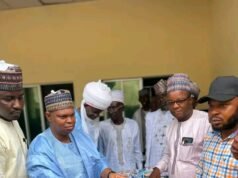
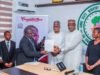
Presenting the report, the former commissioner for health Dr Tafida Abubakar said, the objectives of the Survey is to estimate prevalence and magnitude of blindness and vision impairment in adults 50+, identify principal causes and classify avoidable, treatable and preventable burden, and assess cataract services, surgical outcomes, barriers and unmet need.
He explained that, other objectives include measuring the effective coverage indicators: eCSC and eREC, including quality gaps, and incorporate disability and equity information for inclusive service planning.
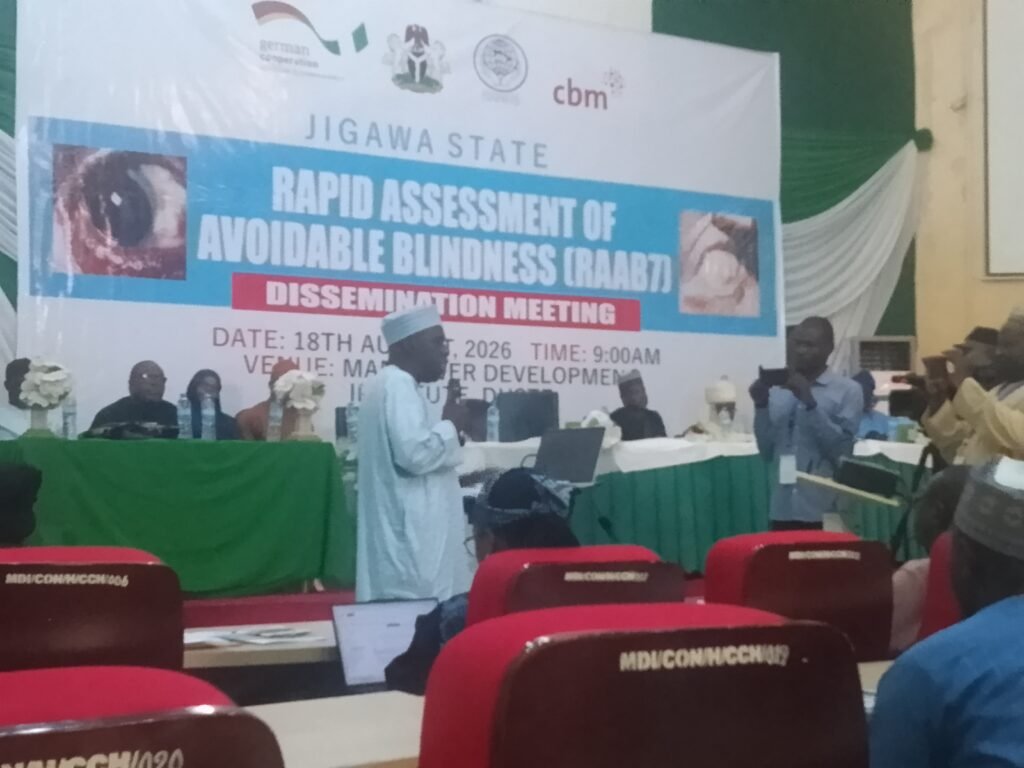
While delivering his speech at the occasion, the Federal Minister of Health, Prof. Aliyu Pate, who was represented by Dr. Chimezie Obi-Mgbam, Director of the Federal Ministry of Health and Humanitarian Affairs, reiterated the federal government’s commitment to joining hands with all partners to promote Universal Health Coverage, which includes eye healthcare services at all levels.
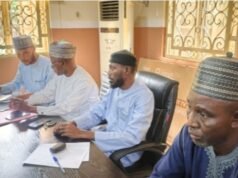
In his response, the Jigawa State Commissioner for Health, Dr. Abdullahi Kainuwa, stated that the state government has been doing a lot to ensure that cost does not become a barrier that denies any person access to basic healthcare services in the state.
He noted that currently, over 250,000 less privileged individuals have been registered in the healthcare social security insurance scheme, while over 180 primary healthcare facilities, as well as general and specialist hospitals, have been renovated and equipped with modern equipment to ensure access to healthcare services.