

By Our Correspondent
The Plateau State Association United Kingdom (PSA UK) has called on the Federal Government to suspend the proposed National Ranching Policy and embark on broad consultations with communities and other stakeholders before proceeding with its implementation.
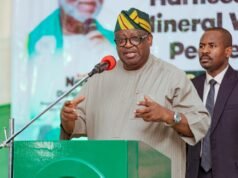
In a statement signed by its President, Dr. Solomon Chollom, the association expressed concern over what it described as the persistent emphasis on cattle-centred agricultural policies by successive Nigerian governments without adequate consideration of the concerns and experiences of affected communities.
PSA UK urged President Bola Ahmed Tinubu to ensure that national agricultural and livestock policies do not create the impression that the interests of one sector or group are being prioritised over the security, land rights, dignity and livelihoods of other Nigerians.
The association also called on the Minister of Livestock Development, Idi Mukhtar Maiha, to halt further implementation of the proposed ranching policy and undertake robust community engagement, policy analysis and comprehensive assessments of its potential impact on peace, security and social cohesion, particularly in the Middle Belt.
According to PSA UK, communities across the region have endured years of violence, displacement and destruction of lives, homes, farms and livelihoods, with many displaced families still facing difficult conditions in internally displaced persons camps.
The association said these experiences could not be separated from discussions on ranching, livestock settlements, land acquisition and agricultural development, arguing that affected communities have legitimate concerns about security, ownership, rehabilitation and the return of displaced persons to their ancestral lands.
It noted that successive administrations had introduced livestock-related initiatives under different names, including cattle colonies, RUGA, ranching and livestock settlements, stressing that changing the name of a policy does not automatically eliminate the fears and concerns of communities.
PSA UK maintained that democratic governance requires consultation, transparency and meaningful participation, particularly where government policies could directly affect people’s lands, livelihoods and security. It urged authorities not to interpret community concerns as opposition to agricultural development.
The association also questioned what it described as the overwhelming focus on cattle-related interventions, arguing that Nigeria’s agricultural potential extends to poultry, fisheries, crop production, potato and vegetable farming, tubers, cereals, food processing, irrigation and agricultural technology.
It called for greater investment in these sectors through access to finance, infrastructure, research, insurance, processing facilities and market support, stressing that sustainable food security could not be built around one agricultural sector.
PSA UK further urged the Federal Government to develop agricultural policies that reflect the environmental conditions, expertise and comparative advantages of different regions. It called for the involvement of state governments, farmers, traditional institutions, local communities and agricultural experts in determining development priorities.
The association said government support should be equitable and should not create the impression that one category of agricultural enterprise enjoys exceptional privileges while farmers in other sectors struggle to access land, capital, infrastructure and institutional support.
PSA UK therefore demanded a holistic review of the National Ranching Policy, including transparent assessments of its social, economic, environmental and security implications, alongside credible plans for the rehabilitation and safe return of displaced communities. It stressed that agricultural policies must respect constitutional and land rights and should promote inclusion rather than deepen conflict, suspicion and division.
Dr. Chollom said Nigerians were not opposed to agriculture or development but wanted to be heard, respected, consulted and protected. He urged the Federal Government to “pause, listen, engage and review,” stressing that development without justice and agricultural policies without inclusion could undermine efforts to achieve lasting peace and national cohesion.