
From Mika’il Tsoho, Dutse
The Jigawa State Environmental Protection Agency (JISEPA), has called on other Ministries, Departments and Agencies to collaborate with the Agency and ensure their project is align with National and International Environmental Standards.
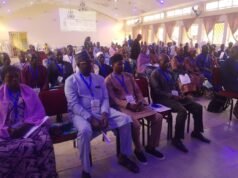
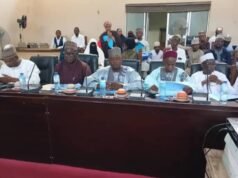
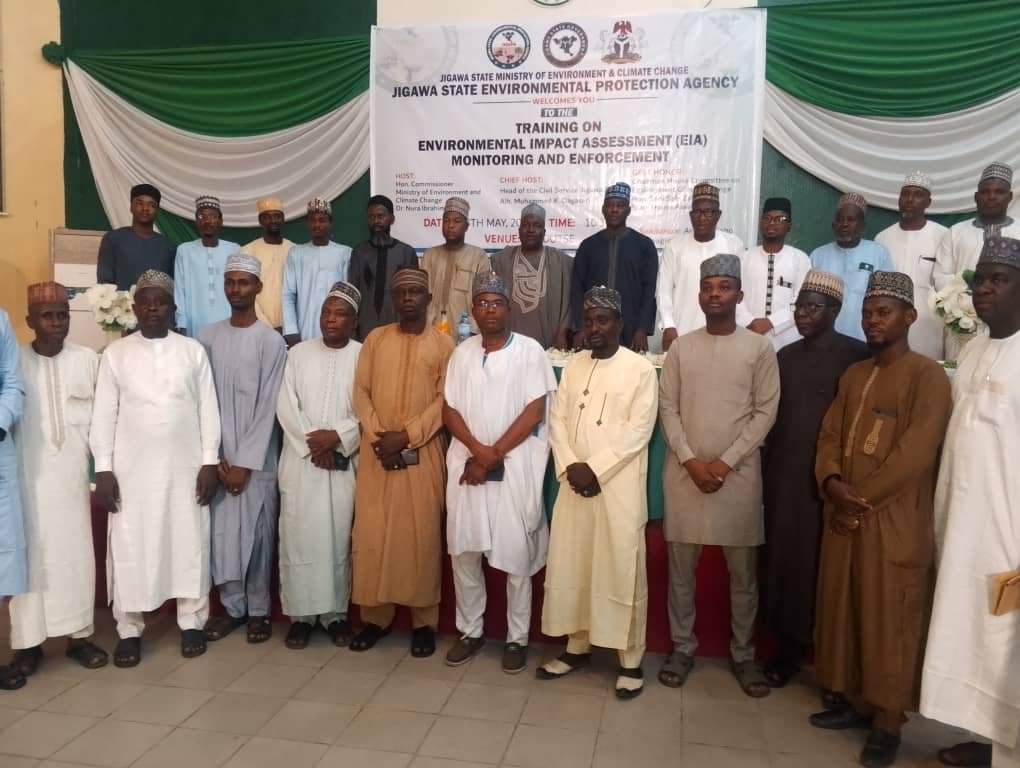
The call was made by the Managing Director Jigawa State Environmental Protection Agency (JISEPA) Sanitarian Adamu Sabo while delivering his remarks at the training of MDAs Focal persons on monitoring of Environmental Impact Assessment (EIA) held on Wednesday at manpower development institute Dutse.
He explained that, the present administration earmarked twelve points agenda in which environmental Sustainability is one of it, adding that there is alot of projects across the MDAs that must comply with State’s policy for sustainable development.
“The state government make it mandatory that all environmental projects from other Ministries must comply with state ministry of environment and climate change, and Jigawa State Environmental Protection Agency (JISEPA) to meet the standard of State Environmental policy”, he said.
According to him, JISEPA feel it mandatory to conduct the training of Environmental Assessment Focal persons from different MDAs on how to go about environmental Sustainability in their various Agencies.
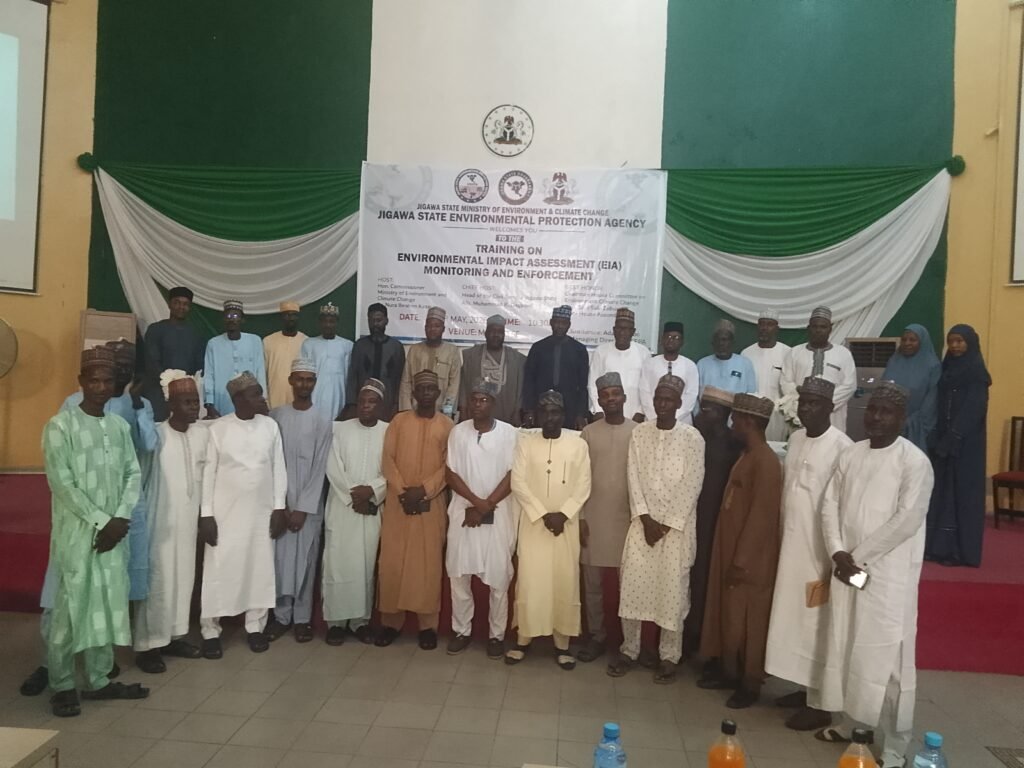
While delivering his speech the state commissioner of environment and climate change Dr Nura Ibrahim who was represented by his permanent secretary Alhaji Yunusa Usman, urged the participants to concentrate and put it in action in their various ministries.
“This training is very important because it seeks to strengthen the capacity of MDA focal persons to effectively monitor environmental compliance of projects within their respective sectors.
“Your role as focal persons is critical to ensuring that projects align with the state Development framework and conform to national and international environmental standards”, he said.
Also speaking the State Head of Civil Service, Jigawa State, Alhaji Muhammad K. Dakaceri said, Environmental Protection is no longer an option, it is a necessity across the world as today nations are increasingly confronted with the consequences of environmental degradation, climate change, pollution, biodiversity loss, flooding, land degradation and sustainable exploitation of natural resources.