
By Umar Dankano Yola.
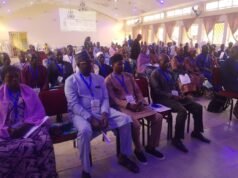
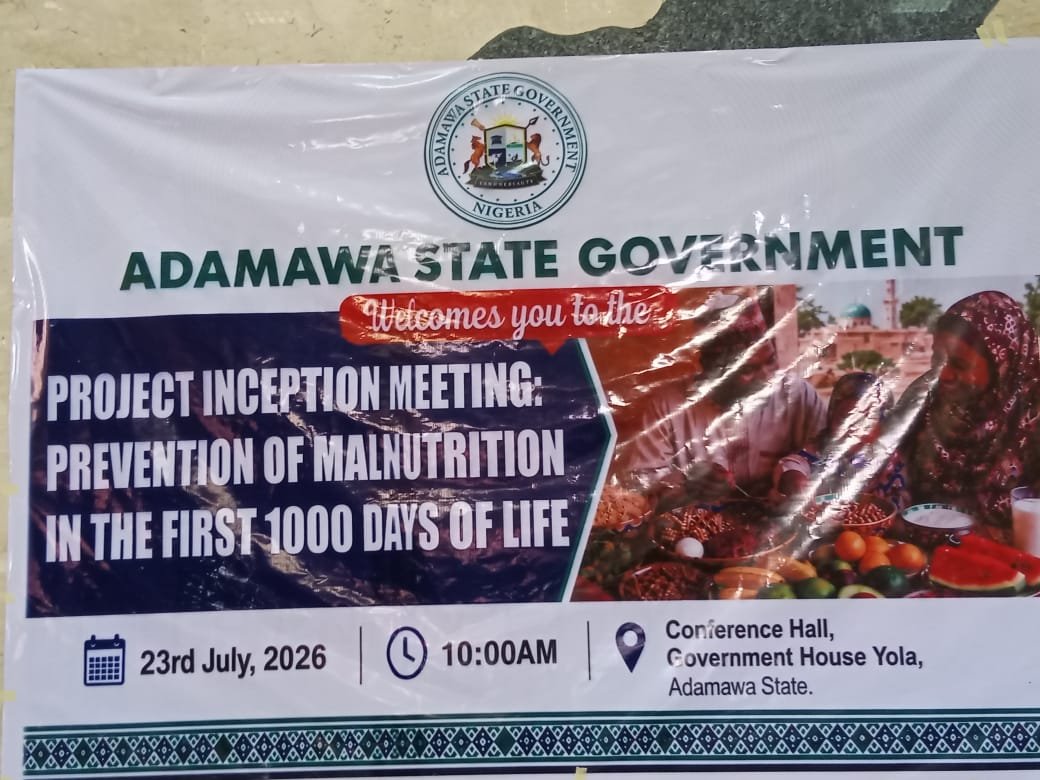
The Adamawa state primary health care development Agency (ADSPHCDA) in partnership with the UNICEF and other development partners have launched an intervention program meant to improve nutrition given to child’s first thousand days after birth.
The project which has twelve months life-span is expected to be a tool for sensitizing the people in promoting maternal nutrition,exclusive breastfeed ing,strengthening infant and young child feeding practices, reduce preventable childhood illnesses and enhance community awareness on nutrition in the state.
Unveiling the program in Yola Thursday, Chief of UNICEF’s Bauchi Field Office, Dr. Nuzhat Rafique, explained that, it was
expedient to ensure the right good food intakes are provided to a child’s transformative growth stages from pregnancy through the child’s first two years of life.
Rafique highlighted on the essential com ponents of the programme to include;ear ly initiation and exclusive breastfeeding, proper infant feeding practices, maternal healthcare,skilled birth attendance, routine immunization, improved hygiene and sanitation,disease prevention and child protection among others.
Rafique announced that,funding support for the project came from the Catholic church of Jesus Christ of Latter-day Saints with UNICEF as implementing partner noting that the intervention will ensure multi-sectoral coordination for expansion of good nutrition accessibility in the state.
According to her, diarrhoea, respiratory infections, poor sanitation and harmful household practices continue to expose children to malnutrition, making community participation critical to the success of the initiative.
Corroborating in her presentation,Unicef Nutrition Specialist, Philomena Irene explained that parents and guardians need to do their best in provision of good and healthy food to their wards especially in the period under review.
Irene emphasized that poor nutrition at the early childhood affects the children’s physical and cognitive growth which negates the country’s future.
Irene pointed out that, malnutrition remain one of Nigeria’s most pressing public health challenges, warning that between 40 and 50 per cent of children are affected by various forms of malnutrition.
Earlier in her remarks before declaring the meeting open, the Deputy Governor, Prof. Kaletapwa George Farauta observ ed that the importance of nutrition can never be over emphasized describing the project as milestone and timely.
Represented by the Chief of Staff, Government House,Edgar Amos Sunday,
Professor Farauta reiterated the readiness of the Governor Ahmadu Umaru Fintiri’s administration to ensuring good healthcare delivery services to the teeming citizens in the state.
She said that Adamawa government has been paying its mandated counterpart funding whenever the need arises noting that the intervention represents a major milestone in the state’s efforts to combat child malnutrition and improve maternal and child health outcomes.
She noted that investing in the first 1,000 days of life is one of the most effective strategies for reducing child mortality, improving educational outcomes and building a healthier and more productive population.
She explained that the project would strengthen nutrition services, improve maternal, infant and young child feeding practices, deepen community engagement and reinforce the state’s health system to deliver quality nutrition services to vulnerable mothers and children.
She added that the initiative aligns with the Federal Government’s Nutrition 774 Initiative, the Health Sector-Wide Approach (SWAp) commending UNICEF and The Church of Jesus Christ of Latter-day Saints for the initiative.
Deputy governor Farauta however charge
government Agencies,Parastatals, local governme areas, healthcare employees, CSO’s as well as traditional and religious leaders to support the program with a view to recording success.
Our Correspondent reported that some awareness/campaign groups used by Unicef in sensitizing people at the grassroots were fully mobilized during the official launch of the program which is said to last for one year duration in Gombe and Adamawa states.