
By Abubakar Rabilu, Gombe
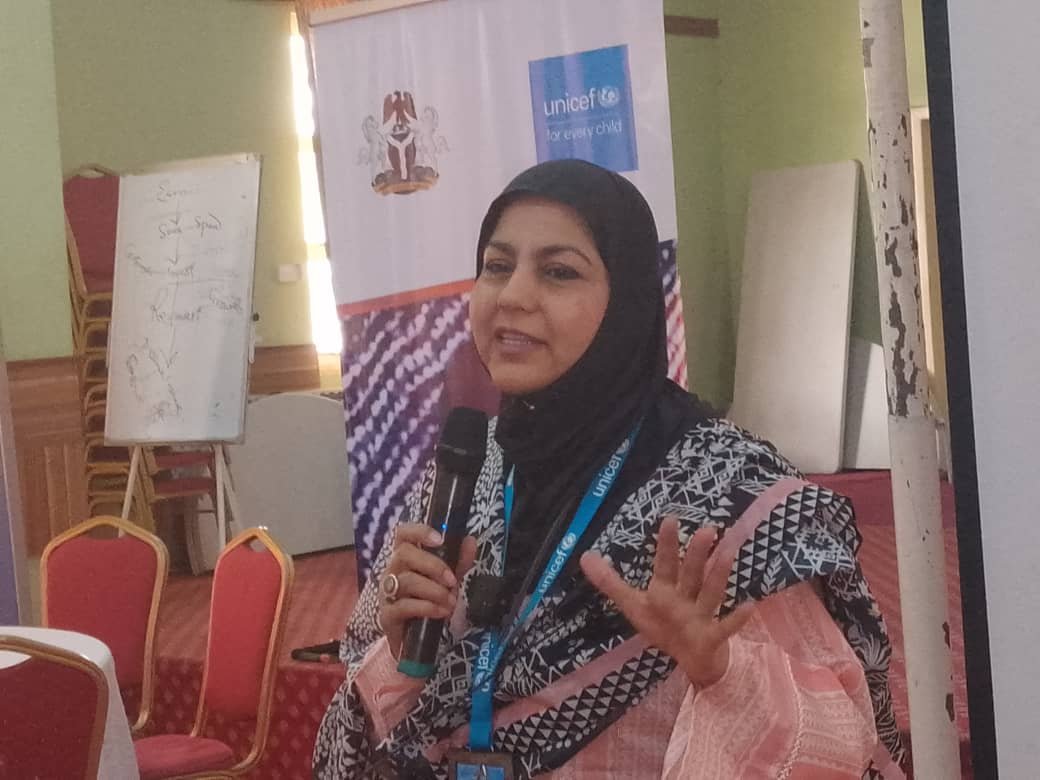
The Chief of Field Office, UNICEF Bauchi, Dr. Nuzhat Rafique, has called for stronger collaboration among stakeholders to improve access to education and protect children’s rights, stressing that safeguarding children must begin early in life and be reinforced through continuous learning opportunities.
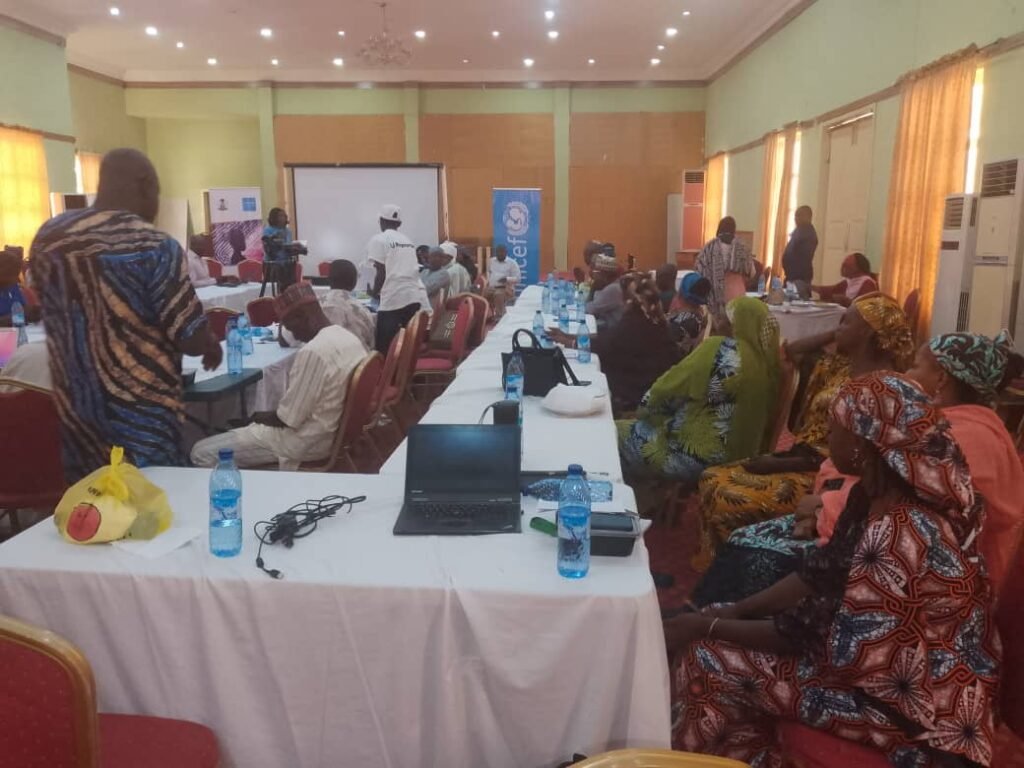
She made the call during a stakeholders’ roundtable and advocacy meeting on child rights protection, which brought together participants from Adamawa, Bauchi and Gombe States.
Dr. Rafique said education remains one of the strongest tools for breaking cycles of vulnerability affecting children, adding that every child deserves not only survival and identity but also the opportunity to learn in a safe and supportive environment.
She emphasised that birth registration is the first step in ensuring a child’s right to education, as it provides legal identity needed for school enrolment and access to essential social services.
According to her, millions of children still miss out on foundational education due to poverty, lack of awareness, and weak community systems, warning that such gaps increase the risk of exploitation, abuse and long-term deprivation.
She also stressed the importance of early childhood education, noting that the first years of learning shape a child’s cognitive development and future academic performance.
She urged governments and communities to invest more in early learning centres, particularly in underserved areas of the North-East.
Dr. Rafique further highlighted the role of schools in protecting children, stating that keeping children in school reduces their exposure to abuse, early marriage, and other forms of exploitation.
She called for stronger policies to improve school attendance, retention, and girl-child education.
She linked many of the challenges facing children to low awareness among parents and caregivers, adding that education must extend beyond classrooms to include community sensitisation on child rights and responsibilities.
The UNICEF official also called on the media to intensify advocacy on education and child protection, describing journalists as key partners in promoting behavioural change and accountability.
Dr. Rafique urged governments, traditional leaders, and development partners to strengthen coordination and prioritise education as a pathway to child protection and national development.
She expressed optimism that sustained investment in education would help children in the North-East reach their full potential and contribute meaningfully to society.