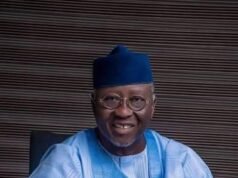

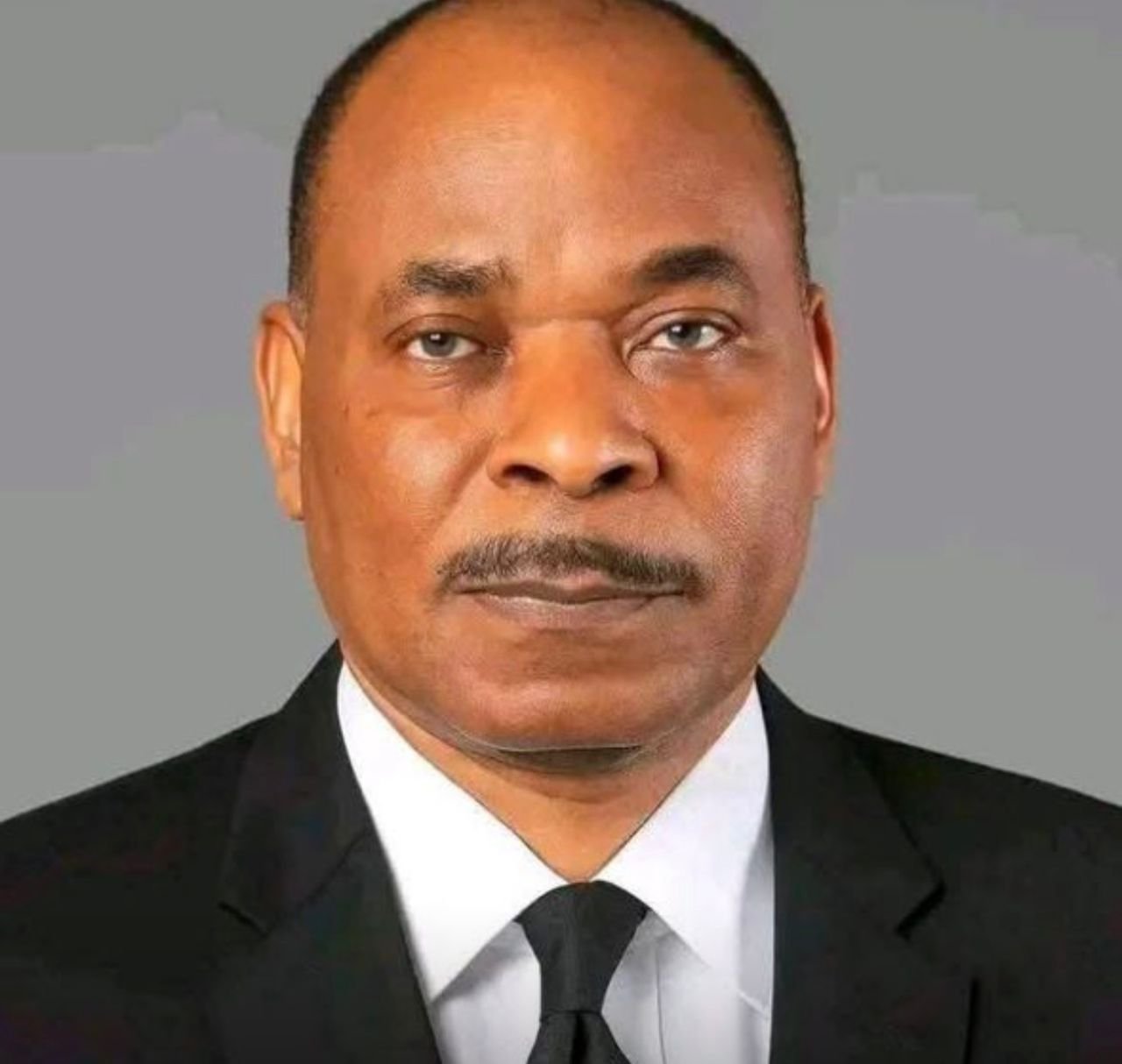
The recent media engagement by former Inspector-General of Police, Mohammed Abubakar Adamu may have been brief, but it was anything but ordinary. Beneath the calm delivery lies a carefully constructed socio-economic and political message: a fusion of national loyalty, institutional reform, and subnational ambition.
At a time when Nigeria’s political space is crowded with rhetoric and short on clarity, Adamu’s voice stands out for one reason, it attempts to connect the dots between federal reforms and state-level responsibility.
By backing Bola Ahmed Tinubu for a second term as being led in the Northcentral by the Renewed Hope Ambassadors led by President Tinubu’s friend former Governor Tanko Almakura, Adamu is not merely aligning with the APC and National Stakeholders, he is making a strategic argument for continuity. His defense of the fuel subsidy removal is particularly telling. While many politicians have shied away from owning the policy due to its complexities, Adamu reframes it as a structural correction with long-term gains.
But he goes further; posing a question that cuts to the heart of Nigeria’s governance crisis: what have some governors done with increased allocations?
This is not just criticism; it is a repositioning of accountability. In one stroke, Adamu shifts part of the national frustration away from Abuja to the states, implicitly challenging some state governors to justify their stewardship.
On security, Adamu speaks with the authority of experience. His argument that Nigeria already practices a form of decentralized policing is both pragmatic and disruptive. By referencing outfits like Amotekun, vigilantes, and community watch groups and others , he dismantles the long-standing myth that state policing is a radical departure.
Instead, he reframes the debate: the issue is no longer whether Nigeria should have state police, but how to regulate what already exists.
This is a significant intellectual pivot. It acknowledges reality while calling for structure, an approach often missing in Nigeria’s policy debates.
Adamu’s comments on Lafia, describing it as a “glorified local government headquarters”; are as bold as they are politically loaded. It is a direct challenge to some past administrations and a signal of his intent to redefine governance priorities. His proposal to develop satellite towns and transform Lafia into a modern urban center reflects an understanding that political legitimacy in 2027 will not be built on promises alone, but on visible, structural transformation.
On security, his approach is layered: job creation, community dialogue, and intelligence-driven policing. This is not accidental. It mirrors contemporary global thinking that security is as much economic and social as it is tactical.
Perhaps the most revealing aspect of the interview is not what Adamu says, but how he positions himself. By declaring himself “head and shoulders above” other aspirants, he is not just projecting confidence; he is staking a claim to competence, which many know he has.
Backed by his national and international exposure, institutional experience, and growing grassroots appeal among youth and women, Adamu is crafting the image of an aspirant who is both technocratic and politically viable.
Yet, the strength of this interview also explains and offers solutions to Nigeria’s and Nasarawa’s greatest challenges. Ideas, however sound, must confront entrenched political realities, some elite resistance, bureaucratic inertia, and the complex dynamics of party politics within the political space.
Ex-IGP Adamu understands Nasarawa’s problems. And he can translate his understanding into a winning coalition and, ultimately, into governance outcomes.
Thus, his stance by aligning with what most Nasarawa people need is to let all the aspirants present themselves to the masses, not to hide behind zoning or consensus.
In a political era often defined by noise, Adamu’s voice and thoughts are unusually coherent. They blend national advocacy with local ambition, policy depth with political messaging, an indication that he the most qualified to lead Nasarawa state